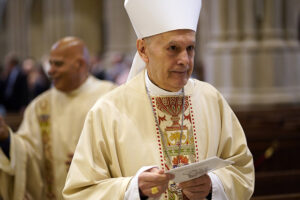
Human dignity must be placed at the center of achieving social justice and development, and faith-based organizations play a central role in that task, said the Vatican’s top diplomat to the United Nations.
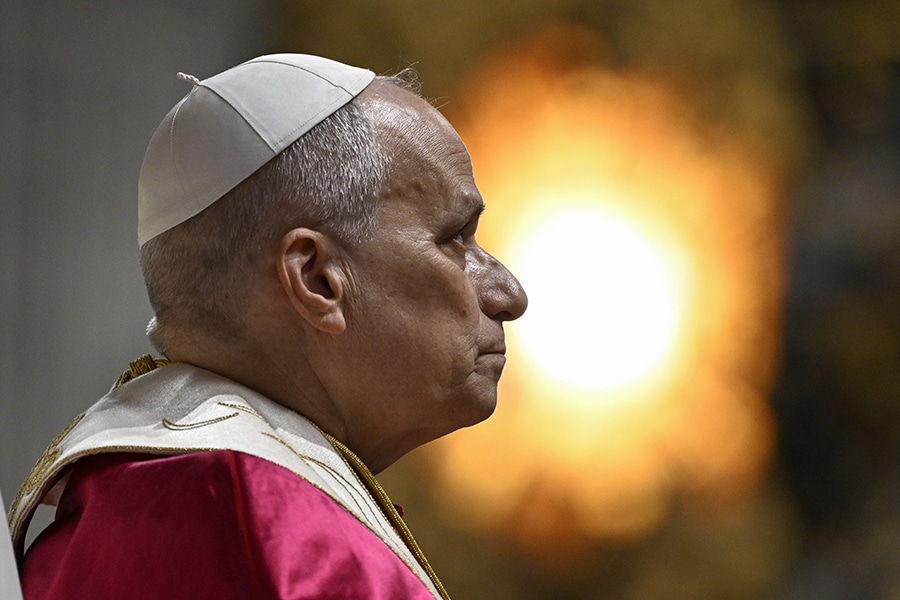
Archbishop Gabriele G. Caccia, the Holy See’s permanent observer to the U.N., shared his thoughts in a Feb. 4 address to the international body’s 64th Commission for Social Development at U.N. headquarters in New York.
The commission, part of the U.N.’s Economic and Social Council, plays a key role in promoting social policies in support of the U.N.’s development goals, with a focus on eradicating poverty, advancing social integration, and ensuring “full employment and decent work for everyone,” according to its website.
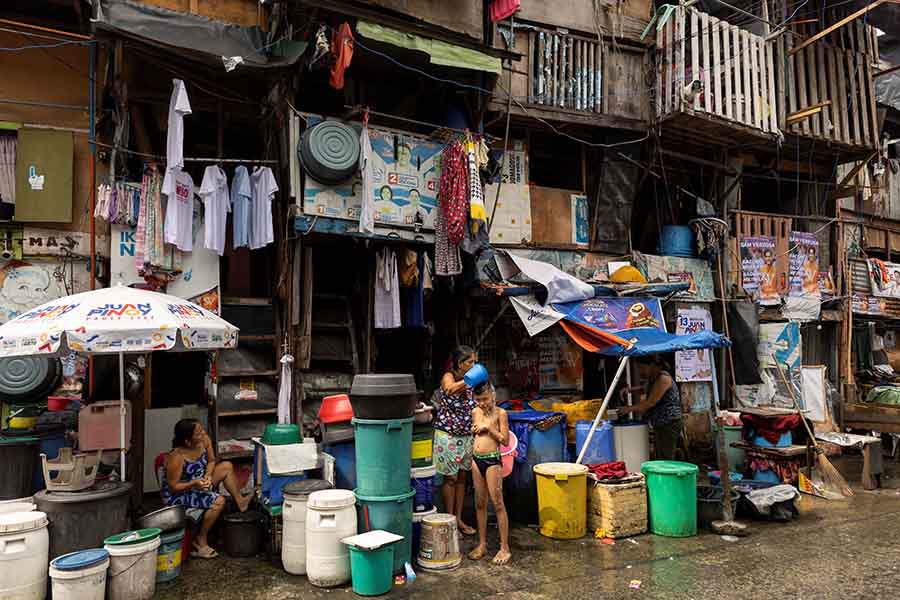
In particular, the commission oversees the implementation of the 1995 Copenhagen Declaration on Social Development, which marked the first time world leaders formally recognized the interdependence of economic growth, social development and environmental protection.
Archbishop Caccia said he welcomed the commission’s current annual theme of “advancing social development and social justice through coordinated, equitable and inclusive policies.”
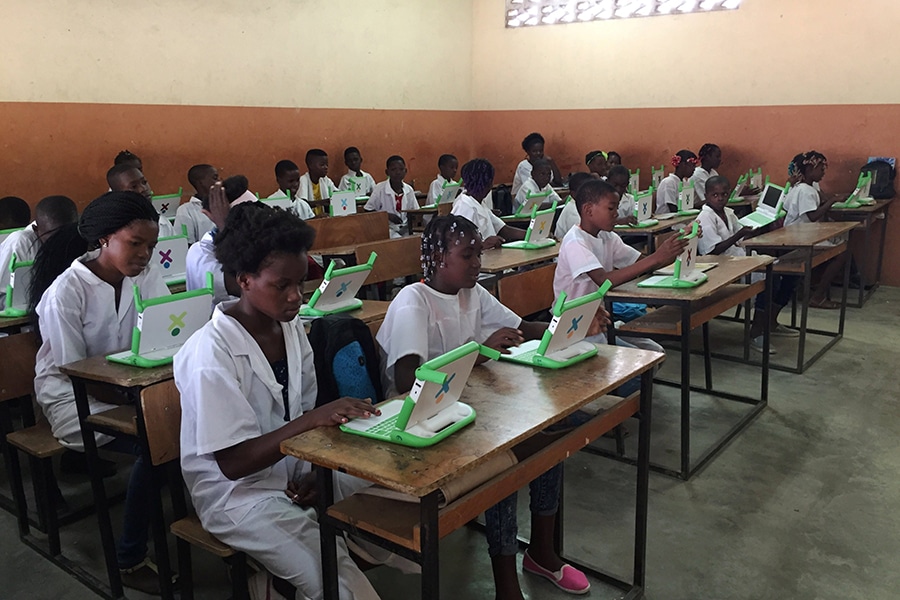
He noted that “human flourishing requires meeting basic needs such as food, water, shelter, together with quality healthcare and education and also freedom.”
That task, he said, “calls for effective coordination within and between governments, as well as with stakeholders, including faith-based organizations.”
In his address, Archbishop Caccia cited several principles of Catholic social teaching, which draws on papal, conciliar and Church documents to articulate the means of building a just society and living out holiness in modern life.
His invocation of such principles echoed a Feb. 2 joint statement on solidarity between the Church in the U.S. and Africa, in which committees of the U.S. Conference of Catholic Bishops and the Symposium of Episcopal Conferences of Africa and Madagascar traced specific ways Catholic social teaching applied to current challenges exacerbated by cuts in U.S. foreign aid.
Addressing the U.N. commission, Archbishop Caccia stressed the importance of subsidiarity, by which responsible stewardship is encouraged among local communities, with larger social institutions giving proportionate aid as needed.
Archbishop Caccia said coordination among governments and other entities, including faith-based organizations, must promote “collaboration with affected communities to ensure that policies reflect the needs and priorities of those they aim to serve.”
He also emphasized the importance of the family — described in the U.N.’s Universal Declaration of Human Rights as the “natural and fundamental group unit of society” — as being “primarily responsible for the well-being of its members, particularly children.”
Governments “should respect and support the family, and provide appropriate assistance when necessary,” said the archbishop, noting that the family “fosters values that encourage inclusion, solidarity and social integration.”
The common good, another principle of Catholic social teaching, should be the aim of both social development and social justice, said Archbishop Caccia.
Responsibility for attaining the common good “belongs to both individuals and the state,” he said.
The latter “must guarantee the cohesion, unity and organization of society,” since “political institutions exist to provide people with the material resources and freedoms required to achieve cultural, moral and spiritual goals,” Archbishop Caccia said.
Quoting Pope Leo XIV’s apostolic exhortation “Dilexi Te” (“I Have Loved You”), the archbishop said “resolving the structural causes of poverty” is imperative — not only to preserve “the good order of society,” but “because society needs to be cured of a sickness which is weakening and frustrating it, and which can only lead to new crises.”
“The deprivations of poverty, unemployment and social exclusion are not only material, but also spiritual and moral in nature, leading to discouragement, despair and loneliness,” Archbishop Caccia pointed out.
He observed that “this spiritual dimension” of poverty had been recognized in the Copenhagen Declaration and “reaffirmed” at the Second World Summit for Social Development, which took place in Doha in November.
Archbishop Caccia commended to U.N. member states the work of faith-based organizations, which “animated by their values” offer “reassurance, hope, and support to those most in need.
“The Holy See remains firmly committed to social justice and social development and will continue to support all efforts which promote the common good and the integral development of each person,” said Archbishop Caccia.
Read More Vatican News

Copyright © 2026 OSV News
