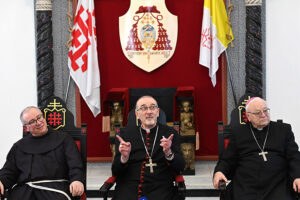
JERUSALEM (OSV News) — Church leaders in Jerusalem expressed sorrow over the news of the passage by the Israeli Knesset of a death penalty law — by hanging — for Palestinians convicted of lethal attacks on Israelis, noting that Easter, which celebrates life, represents the opposite.
The Holy See and the Catholic Church are very clear that there are no circumstances in which the death penalty is necessary, said Latin Patriarch Cardinal Pierbattista Pizzaballa and Franciscan Custos Father Francesco Ielpo at the annual pre-Easter press conference on March 31.
They said the new law serves only to create deeper distrust and hatred between Israelis and Palestinians and alters the concept of the State of Israel.
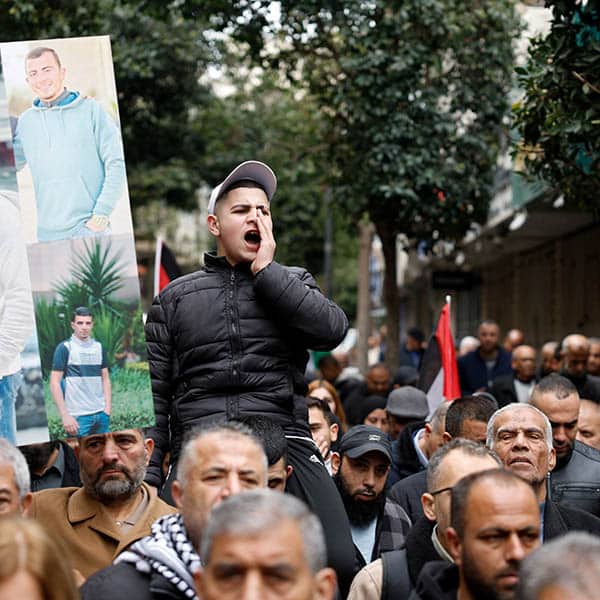
“It is for us, not only for me but for all of us, news that we have taken with great pain,” said Cardinal Pizzaballa. “We must work with all parts of civil society to ensure that attention is kept alive and the situation does not deteriorate further.”
“Killing is wrong. And cutting (short a) life is never good for any reason,” added the custos.
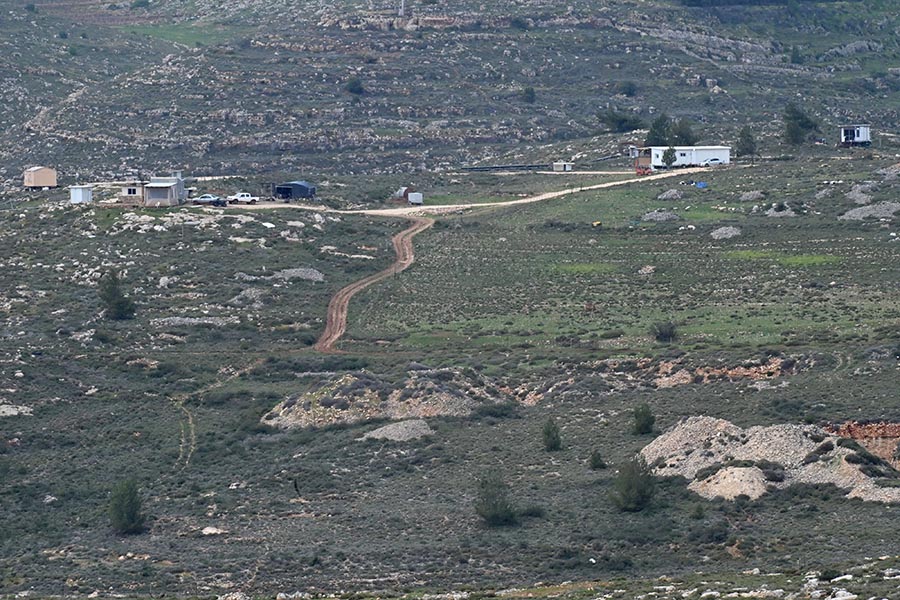
While settler violence against Palestinians in the West Bank increases and remains “very tense” and very problematic, Cardinal Pizzaballa said he was appreciative to see former Israeli diplomats and rabbis starting to speak out against it and creating more awareness about the situation.
Jerusalem remains a city without life as pilgrims who normally fill the streets and holy sites during Easter, as well as those celebrating the Jewish holiday of Passover, which begins the evening of April 1, have not been able to travel because of the war, said Cardinal Pizzaballa.
“(Jerusalem) is a place of life, but lifeless at this time, which is very sad,” he said. “And we also feel uncomfortable at times, because we ask(ed) the pilgrims to come so many times, and when they started to come, another war started. Now it is more difficult to convince them that Jerusalem is safe. But we know that there is a strong desire to come, and we need to work for this. But now it will take a little more time, I’m afraid.”
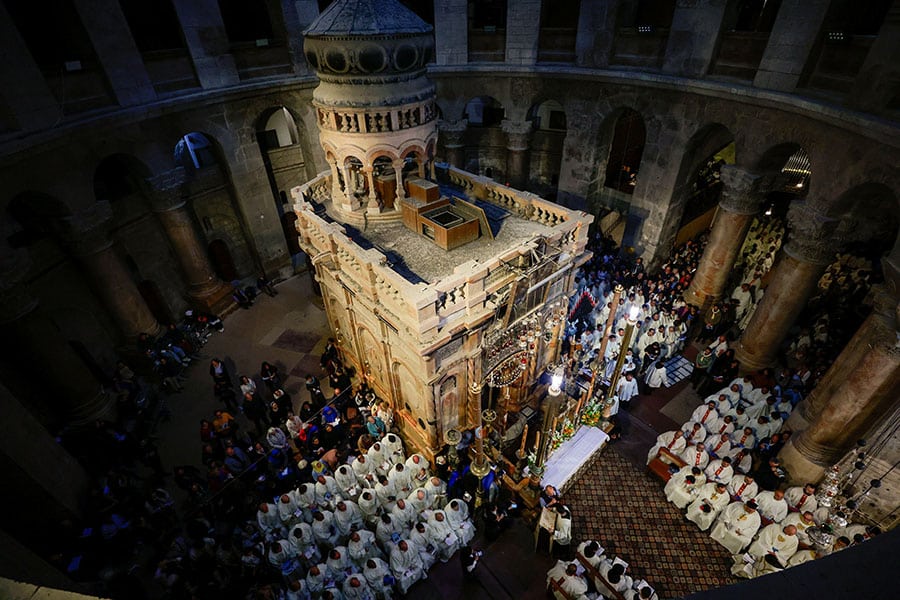
On Palm Sunday Cardinal Pizzaballa and Father Ielpo were barred by Israeli police from entering the Church of the Holy Sepulcher — an incident that created international pushback against Israel and prompted Israeli authorities to reassure smooth access to holy sites for the prelates.
Father Ielpo described the incident as “a painful episode,” emphasizing that it also presented an opportunity to clarify certain “fundamental” and “non-negotiable” rights.
“It is not our intention to return polemically to what happened last Sunday,” he said. “Rather our desire is to look ahead in a constructive spirit, so that freedom of worship for all religions is always respected, and that the Status Quo — especially within the Basilica of the Holy Sepulcher — is fully upheld,” Father Ielpo said.
“It is on these principles that we wish to continue building, in dialogue and cooperation with the authorities, convinced that mutual respect is the foundation for authentic coexistence and for the protection of the holy places, which belong not only to this land, but to all humanity,” the custos emphasized.
He stressed that with billions of believers worldwide looking to Jerusalem and its holy sites, the government of Israel must uphold its responsibility to ensure that prayers continue at all times, despite difficulties, by working in coordination with Church authorities to find appropriate solutions.
“We don’t want to exacerbate the situation. We are sorry for what happened,” added Cardinal Pizzaballa. “The situation here for a very long time is very polarized. We don’t want to become any instrument for anti-Jewish, anti-Israel or antisemitic (discourses). We can’t avoid people using these events.”
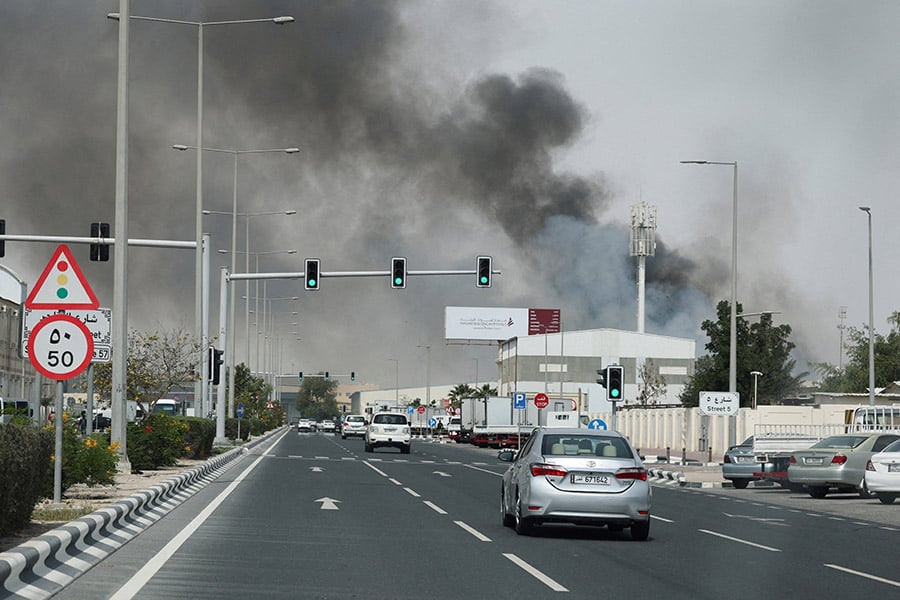
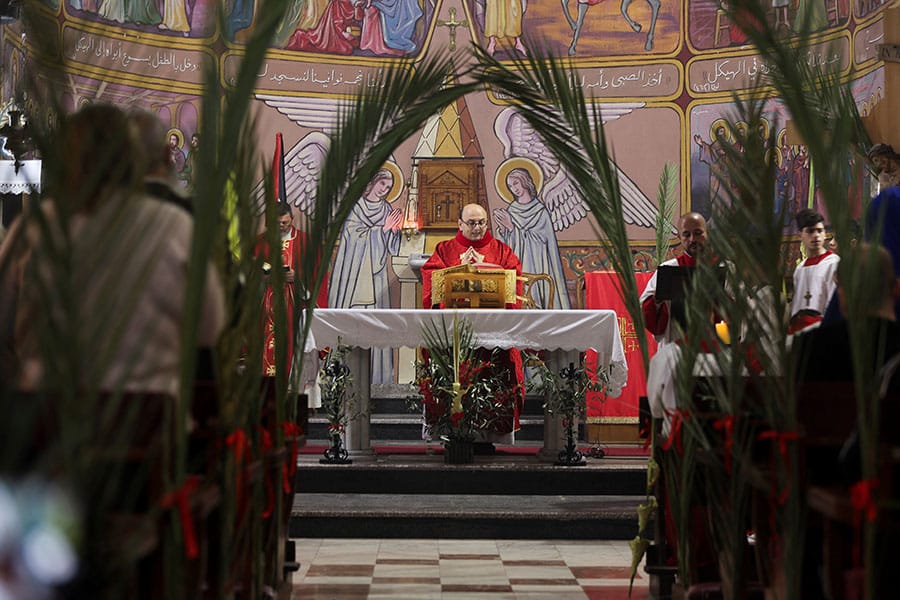
Cardinal Pizzaballa said they have understood and followed the need for the Home Front Command directives because of the monthlong U.S. and Israel-Iran war. He said liturgies within the Church of the Holy Sepulcher during Holy Week will proceed “internally with closed doors” with “very few people” — perhaps up to five — joining the 10 Franciscans who live daily in the basilica to respect security norms.
However, the crucial principle of the bishop presiding over these important liturgies will be maintained.
Other parishes and churches are encouraged to remain open and allow participation according to local situations, potentially by holding multiple Masses, he said.
Cardinal Pizzaballa called on local and global Christians to remain attached to the teachings of Jesus, particularly humility and service, despite current difficulties. The resurrection of Christ transforms what is considered “foolish” by human criteria, offering hope and a different way forward, he said.
“We should accept that this is our way as Christians and despite the situation, we should remain attached to this,” he said.
Read More Conflict in the Middle East
Copyright © 2026 OSV News
