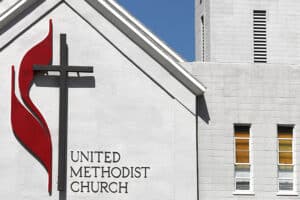
Q: I recently moved to a rural area, and my current parish is now nearly an hour drive away. There are no Catholic churches in my new area. There is, however, a Methodist church right across the street from my new home, in easy walking distance. They are open for services on Sunday morning and Wednesday night. I know the two faiths are different in some key areas, but, as a Catholic, how wrong would I be if I simply went to this Methodist church? I asked a cradle Catholic friend about this, and they said as long as I go to Catholic Mass once a year, I’ll be considered active in the Catholic faith, but if I miss over a year I’ll be considered a “lapsed Catholic,” and that if I ever want to come back I’ll be considered a “revert,” and have to go through RCIA again. Could you comment and clarify? (Southern Indiana)
A: There are several questions within your question. To start with the first one: It is not wrong or sinful for a Catholic simply to attend a non-Catholic religious service. However, a Methodist Sunday service would not fulfill the Sunday obligation for a Catholic.
Deliberately missing Sunday Mass is in itself “grave matter” and a serious sin that should be brought to the sacrament of penance. Still, it’s good to recall that the church’s law does not bind us to do the impossible. The sinfulness of your personally potentially missing Sunday Mass in your own situation might be diminished due to mitigating factors.
Regarding the idea that a Catholic only needs to attend Mass once a year to remain “active,” I think your friend might be a little confused. As noted above, Catholics are required to attend Mass every Sunday. But strictly speaking, a Catholic is only required to receive Holy Communion once per year (after the sacrament of penance if the Catholic is conscious of having committed a mortal sin in the past year). Among Catholics this is sometimes colloquially referred to as the “Easter duty.”
Naturally, we as Catholics are encouraged to go to confession and receive Holy Communion much more often than once a year! But if a Catholic for whatever reason discerns that he or she is not spiritually prepared to receive the Eucharist on a weekly basis, it is legitimate for him or her to fulfill the Sunday obligation by attending Mass without receiving Communion, as long as they receive Communion at least once during each Easter season.
While we might popularly use the term “active Catholic” to describe a Catholic who takes their faith seriously, technically “active Catholic” is not a category in canon law. Canon law does have some specific penalties such as excommunication that might restrict a Catholic from fully participating in the life of the church; and canon 916 reminds us that a Catholic should not receive Communion if they are conscious of having committed a serious sin that has not yet been absolved.
But once someone is baptized Catholic or formally received into the Catholic Church, they are always considered Catholic, even if they fall away from the faith or fail to practice it regularly. Nothing — not even neglecting the Sunday obligation — can “de-activate” a person’s identity as a Catholic.
Because of this, a lapsed Catholic who wanted to return to a full practice of the faith would not be eligible for RCIA, that is, the Rite of Christian Initiation for Adults. RCIA is primarily intended for catechumens, or unbaptized persons who are preparing to receive the sacraments of initiation. As such, RCIA would not be appropriate for a Catholic who has already been fully initiated. In the majority of situations, all a lapsed Catholic would need to do to return to a full participation in the life of the church is sincerely repent and make a good confession.
Read More Question Corner

Question Corner: Can persons with mild intellectual disability be married in the Catholic Church?
Q: I have a question about the rules and teachings around Catholic marriage for persons with some mild intellectual disability and English language abilities: Can they be married in the Catholic Church? I’m sure you could answer by saying it depends on the individual case, but are there any general rules and advice? (Limerick, Ireland)
Question Corner: At what point does being a pro-choice Catholic become sinful?
Q: Catholic governors commit an obviously sinful act when they sign extremely permissive abortion laws. On the other hand, there is an extraordinary minister of holy Communion in my parish who told me she is pro-choice, but I’m not aware she has done anything to support abortion except maybe vote for a pro-choice candidate. My question is: At what point does being a pro-choice Catholic become sinful? (Indianapolis, Indiana)
Continue Reading Question Corner: At what point does being a pro-choice Catholic become sinful?
Question Corner: How can a priest deal pastorally with those who are quick to suspect people of being Freemasons?
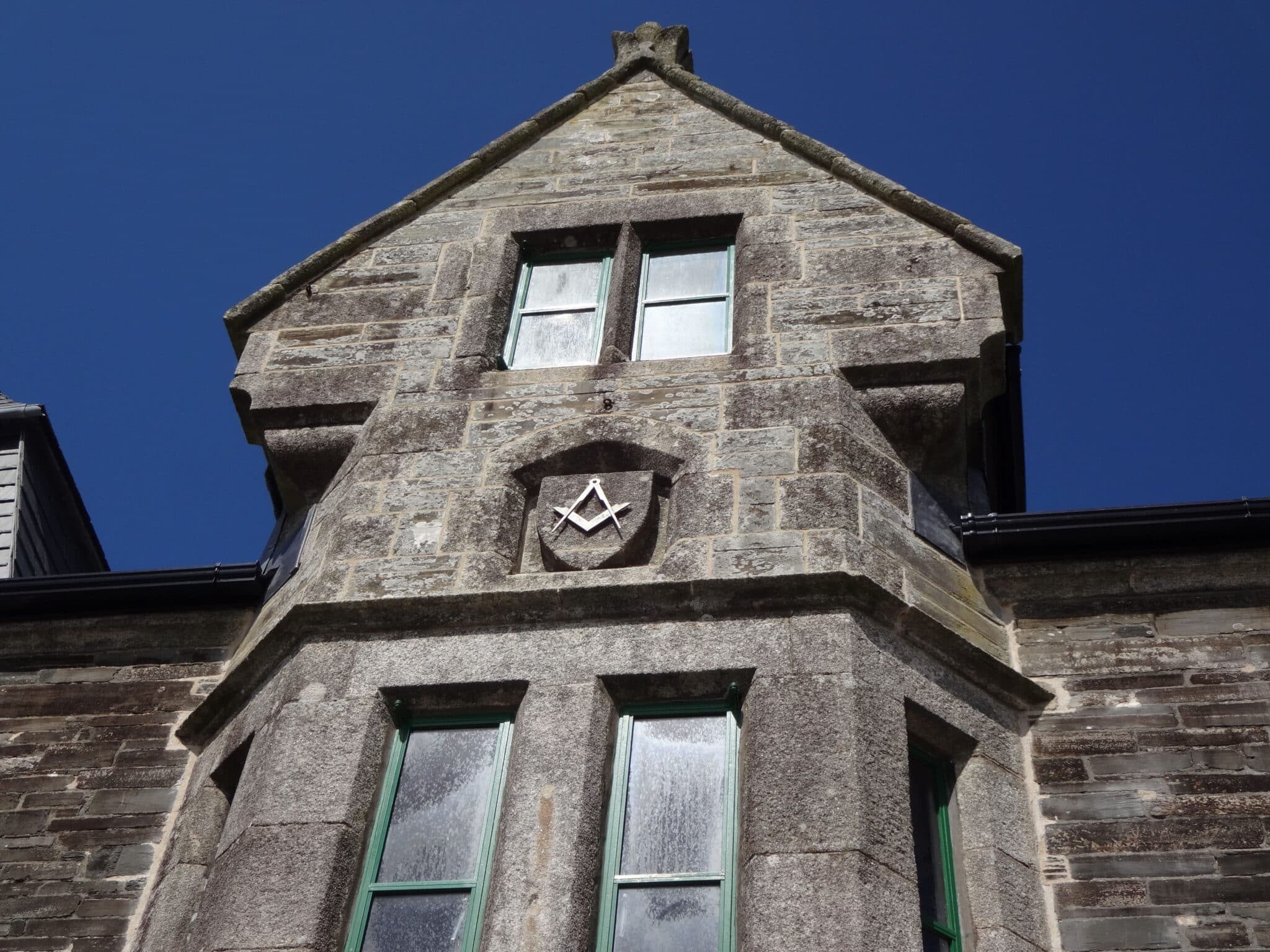
Q: As a parish priest, I found your recent article on the Church’s teaching on Freemasonry interesting, and I have a follow-up question: How can one deal pastorally with parishioners who are quick to suspect people of being Freemasons? I can think of one or two parishioners who are convinced the Vatican is infiltrated by Freemasons, and anybody in Church life they in any way disagree with must be a Freemason. They can be frustrating, as it’s hard to argue with them without them turning around and saying that you must be a Freemason! (Ireland)
Question Corner: Can I receive Communion even if I didn’t attend the whole Mass?
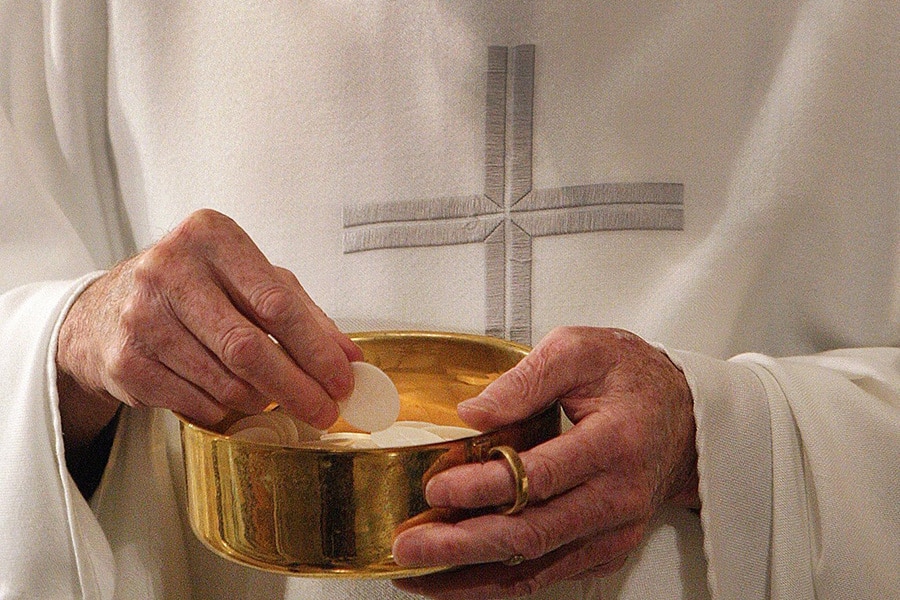
Q: I’m a Catholic working at a funeral home and assisting at many Catholic funerals. I’m not always in the church for the entirety of Mass. I’m sometimes out during the Gospel and homily or after Communion since I’m helping with the arrangements. Since it’s not fulfilling my Sunday obligation, is it still OK for me to receive Communion to offer up for the deceased if I’m not there for the entire Mass? (Illinois)
Continue Reading Question Corner: Can I receive Communion even if I didn’t attend the whole Mass?
Question Corner: Why wasn’t Jesus clearer in making St. Peter head of the Church?
Q: In the Gospel’s account of Peter’s confession of Christ, Jesus responded with: “You are Peter, and upon this rock I will build my Church.” I sometimes wonder if it wouldn’t have been better if Jesus would have skipped the wordplay and simply said: “Peter, I’m making you the first head of my Church.” The verse as is, seems subject to a lot of interpretation. When I was Protestant we all said that the verse implied that the Church would be built on a general confession of Christ, and Peter’s was but one example. Could you comment? (Indiana)
Continue Reading Question Corner: Why wasn’t Jesus clearer in making St. Peter head of the Church?
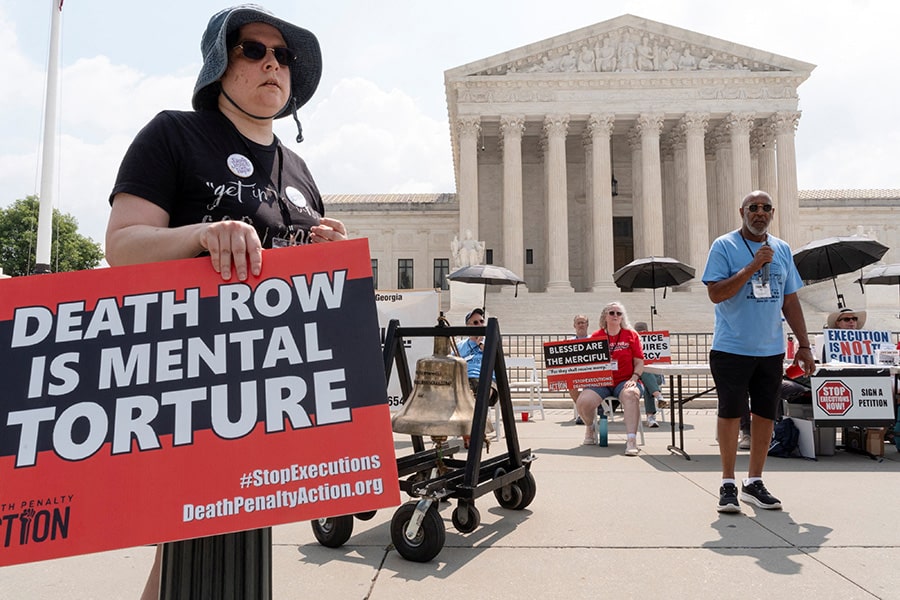
Question Corner: What is the Catholic Church’s teaching on the death penalty?
Q: I know officially the Catholic Church is against the death penalty, but what about Genesis 9:6?
A: It looks like there are two dimensions to your question: the Church’s teaching on the death penalty, and how we are to read the Old Testament as Catholics.
Continue Reading Question Corner: What is the Catholic Church’s teaching on the death penalty?
Copyright © 2024 OSV News
