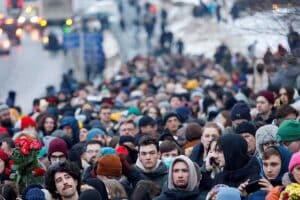
Prominent Russian Catholics have urged church members to continue condemning human rights violations after the funeral of opposition leader Alexei Navalny, despite warnings people who attended could face police reprisals.
“Although I wasn’t a great fan of Navalny, he was capable of mobilizing large groups wishing to classify themselves as liberal opposition — and he also had courage to highlight theft and corruption among the power elite,” said Daria Drozdova, an associate professor of philosophy.
“Navalny was convicted and declared an extremist, so people inside Russia cannot speak in his defense unless they’re ready to be imprisoned themselves. But Christians abroad must show how his premature death lies on the conscience of those who made his life unbearable,” she said.
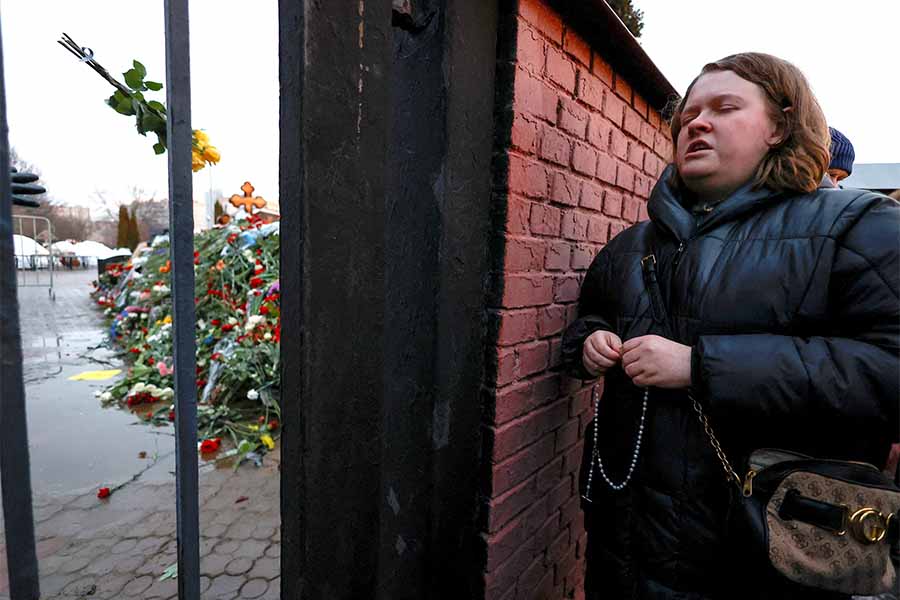
The Moscow-based lay Catholic spoke after joining mourners at the March 1 funeral of Navalny. His death Feb. 16 at age 47 — at a strict-regime arctic penal colony, where he was serving a 19-year sentence — was attributed by Russia’s Federal Penitentiary Service to “sudden death syndrome.”
In an OSV News interview, Drozdova said Navalny’s “excessively cruel and unfair treatment” in prison, which included 27 punitive spells in solitary confinement, had strengthened his “image as a martyr-hero,” while his “death without (him) ever seeing freedom” had been painful for many Russians.
She added that she had felt it “impossible” not to attend his funeral, especially in solidarity with friends for whom the dissident had been personally important.
Meanwhile, another Catholic, who asked not to be named, said she had stood in line for five hours to lay flowers on Navalny’s grave, adding that many other Catholics had visited the site March 2-3.
“Moscow students were warned they’d be in trouble if they went to this funeral, while the universities organized events to distract them — but many nevertheless heeded his call not to be afraid,” said the Catholic, a university lecturer working as a volunteer with Caritas. “Although I don’t think this will cause any serious upheavals, it’s shown not all is lost — there are people for whom his cause is important, and this has been a source of hope.”
Navalny’s brief funeral March 1 at the Orthodox Mother of God Church in Moscow’s southeastern Maryino suburb was attended by a restricted number of family members and Western diplomats.
The dissident’s supporters said funeral companies had refused their services under official pressure, while other Orthodox parishes had rejected requests for traditional Panikhida requiems.
However, thousands of mourners gathered in nearby streets, despite tight police cordons, chanting Navalny’s name and slogans against President Vladimir Putin, while the dissident’s small entourage headed for his grave at Borisovsky Cemetery in Moscow. Media reported dozens of mourners had been arrested in other cities.
In her OSV News interview, Drozdova said respect for Navalny had been greatest among older, well-educated Catholics who joined the church in the 1990s.
However, she added that other Catholics had complained via social media about “bringing politics into the church,” and said she had been given the cold shoulder by a group of women parishioners for attending the March 1 funeral.
“Some Catholics consider themselves patriots and support Russia’s current anti-Western, anti-liberal course,” said Drozdova, who studied at Rome’s Pontifical Gregorian University.
“Others, however, see the Catholic faith as an important component of European identity, and belonging to the church as a declaration of commitment to freedom of conscience and speech,” she said. “Such people perceived Navalny as someone for whom freedom and human rights were important, making his death a deeply personal loss.”
Navalny quoted the Sermon on the Mount and described himself as a Christian convert from “militant atheism” at his January 2021 trial, adding that the Bible offered him guidance and gave him “fewer dilemmas in life.”
However, the Orthodox Moscow Patriarchate, which ignored requests for help obtaining the handover of Navalny’s body, made no mention of the dissident on its website.
Meanwhile, Russia’s six-member Catholic bishops’ conference also made no reference to him in a March 1 communique after its plenary at Listvyanka, near Irkutsk, attended by the Vatican’s nuncio to the Russian Federation, Archbishop Giovanni d’Aniello.
The communique urged Catholics to “remember their civic duty, guided entirely by their conscience,” in the run-up to Russia’s March 15-17 elections, in which Putin, in power since 2000, is assured of a fifth term after the forced elimination of possible challengers.
In her OSV News interview, the Catholic lecturer said she believed police had been instructed not to make arrests during Navalny’s funeral, to avoid “new scandals before the elections.”
However, she added that FSB security officials had instructed Orthodox clergy to shorten the service and collected data on people requesting church commemorations.
“I know Russian Catholics who are now holding prayer events in his memory — and I myself am praying not only for Alexei, but also for his wife and children who weren’t able to see him, and for his mother who refused to agree to a secret funeral,” the lay Catholic told OSV News. “But many people are also gloating and laughing at his death. If the Lord spared the city of Sodom for the sake of ten righteous people, then I really hope he’ll spare Russia for the thousands who still came to say goodbye.”
Drozdova said she had been impressed by the large numbers, young and old, who turned out for Navalny’s funeral, but added that there were fears many would later be identified by police from surveillance cameras.
“People can be detained for a Facebook post or for wearing clothes in the Ukrainian colors — it’s difficult to imagine the authorities would really allow people to gather for this funeral, when the mere mention of Navalny’s name could be equated with propaganda and extremism,” the Catholic professor told OSV News.
“But this unexpected opportunity came as a breath of freedom, making it clear we were not all downtrodden and crushed,” she added. “For us, the Catholic faith is inextricably linked with recognition of dignity, openness to different cultures, and respect for law and justice. These are things my generation of Catholics learned in the church, and I’m very grateful for it.”
Read More World News
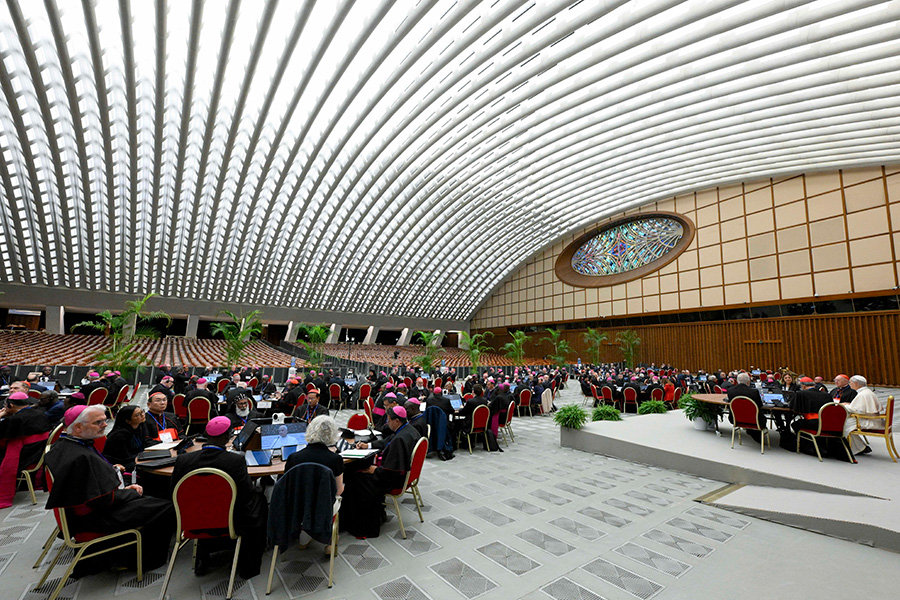
Bishops discuss cohabitation of young couples at Vatican meeting on marriage and family
On the third day of a weeklong Vatican meeting on marriage and family Oct. 9, Catholic bishops grappled with a trend that worries many Church leaders: young couples choosing to live together rather than wed.
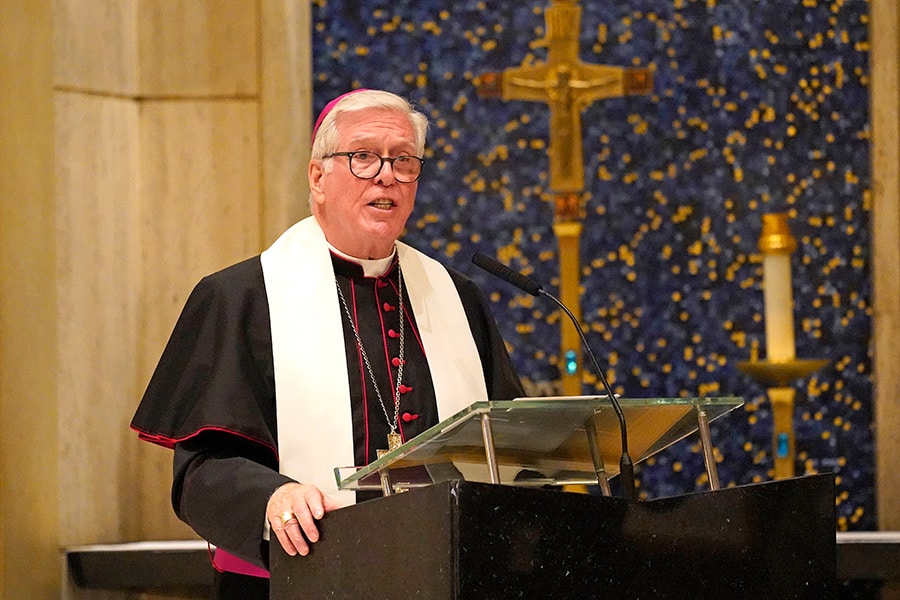
Bishop Dewane recalled for his ‘remarkable legacy of faithful service’ to Church
Retired Bishop Frank J. Dewane of Venice, who led the southwest Florida diocese for nearly 20 years before his retirement in May, died Oct. 7, the feast of Our Lady of the Rosary, at Sarasota Memorial Hospital after a brief illness. He was 76.
Continue Reading Bishop Dewane recalled for his ‘remarkable legacy of faithful service’ to Church
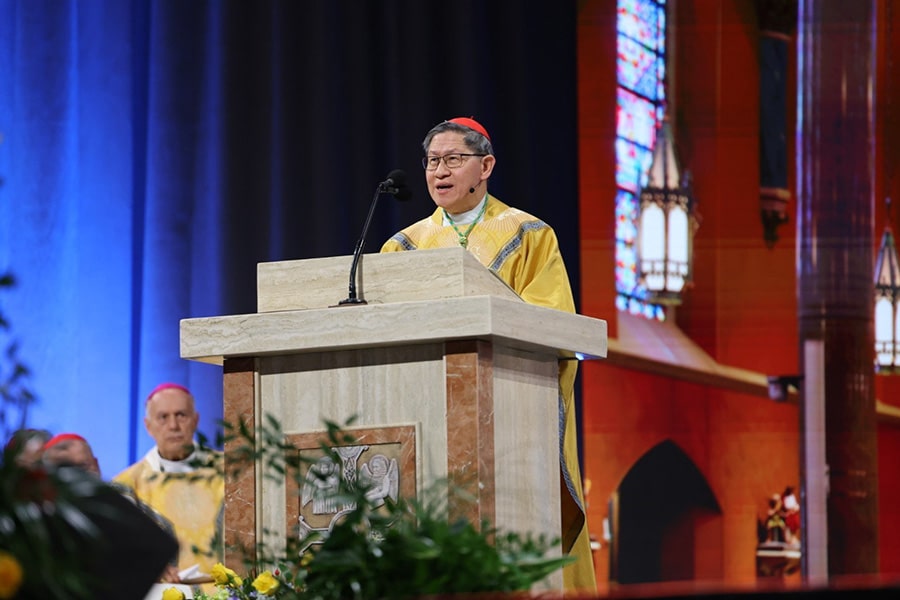
Cardinal Antonio Tagle elected dean of the College of Cardinals
The Vatican announced Oct. 9 that Cardinal Luis Antonio Tagle has been elected as the new dean of the College of Cardinals upon the retirement of 92-year-old Cardinal Giovanni Battista Re.
Continue Reading Cardinal Antonio Tagle elected dean of the College of Cardinals
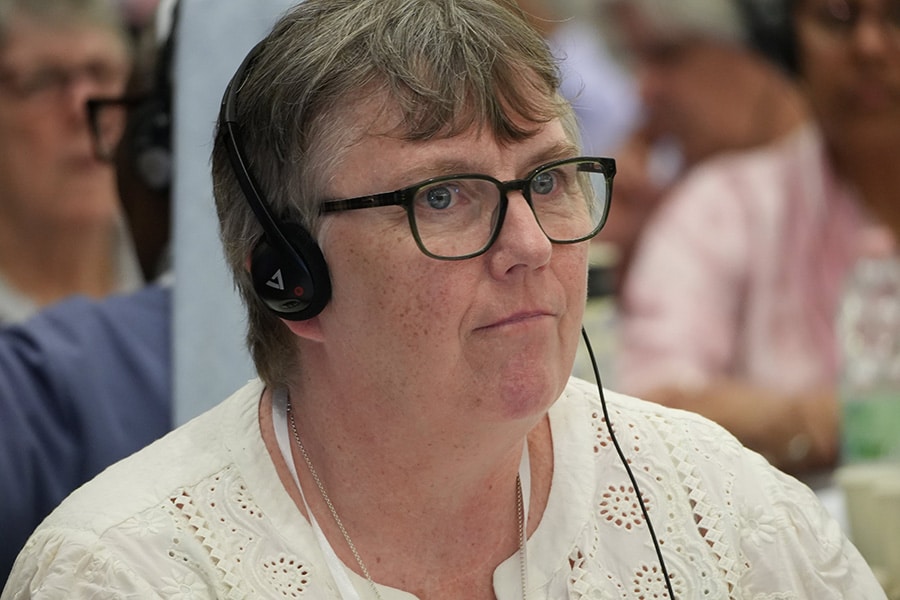
Irish sister brings front-line missionary perspective to Vatican curial role
(OSV News) — In accepting her dual appointment as head of the Vatican’s missionary network and as adjunct secretary at the Dicastery for Evangelization, Sister Mary Teresa Barron said it was clear the Church prioritized lived missionary experience over theological acumen. In an interview with OSV News Oct. 9, the 57-year-old Irish nun said she…
Continue Reading Irish sister brings front-line missionary perspective to Vatican curial role
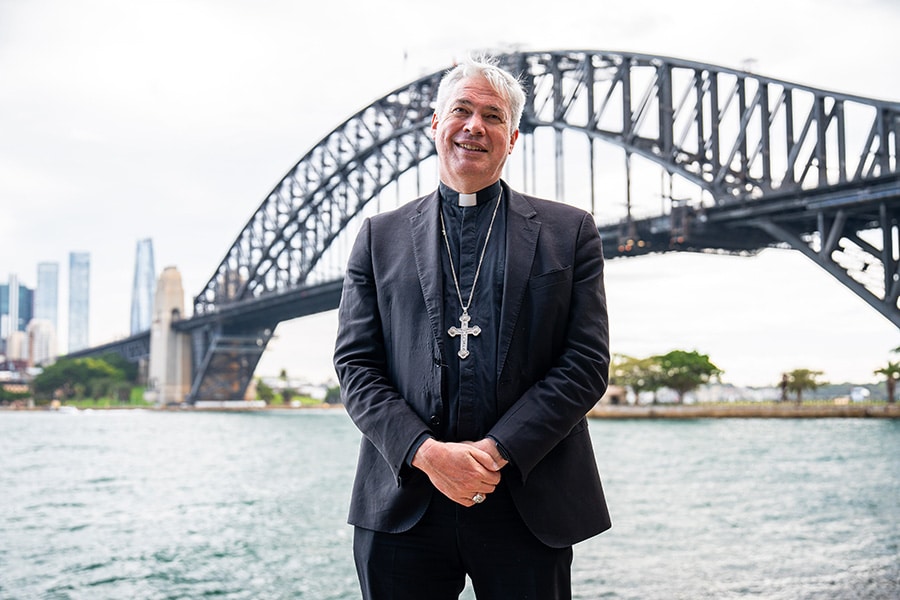
Sydney bishops discuss plans for Eucharistic Congress with Pope Leo, with dates set
Catholics can officially mark their calendars for the next International Eucharistic Congress: It will take place in Sydney Sept. 24-Oct. 1, 2028.
Continue Reading Sydney bishops discuss plans for Eucharistic Congress with Pope Leo, with dates set
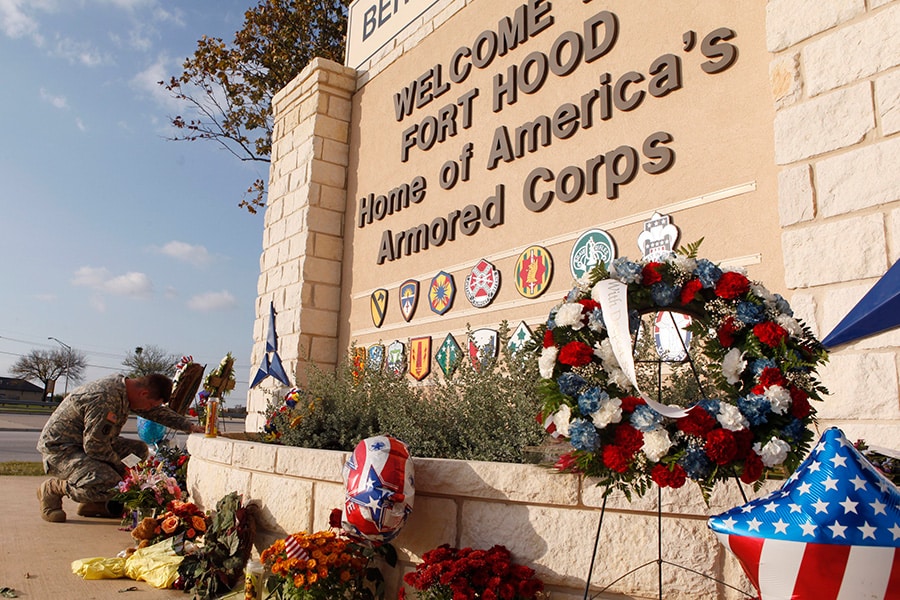
US bishops’ president condemns ‘barbaric’ Pentagon plan to livestream execution
After Pentagon officials said they planned to livestream the execution of Fort Hood shooter Nidal Malik Hasan by firing squad in December, the president of the U.S. Conference of Catholic Bishops denounced the plan as “barbaric.”
Continue Reading US bishops’ president condemns ‘barbaric’ Pentagon plan to livestream execution
Copyright © 2024 OSV News
