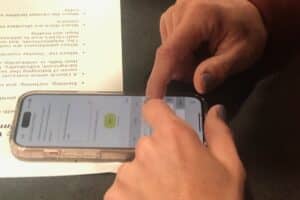
Catholic schools across the Archdiocese of Baltimore are increasingly limiting cell phone use in an effort to strengthen learning and relationships between students and teachers.
Cell phones tend to shut down meaningful communication. “They don’t promote engagement and the interaction that students and teachers should have,” said Danielle Hladky, director of communications and marketing at Calvert Hall College High School in Towson.
Limiting phone use is also about respect, Hladky said. Calvert Hall’s policies aim to encourage direct, one-on-one interaction instead of the multitasking often seen with technology.
The school enforces an “all time” cell phone policy. Now in its 11th year, the policy bans phone use inside classrooms and buildings. Students may only use phones outside. Devices seen or heard indoors are confiscated until the end of the day. Violators typically receive six days of detention. The school is “very serious” about cell phone use and texting, she said.
Maryvale Preparatory School in Lutherville adopted a similar policy. Jessica Randisi, head of student life and dean of students, said the school introduced a “phone-free Monday through Friday” policy after piloting it during the 2024–25 school year. Students could self-monitor phone use with the understanding that a “turn in” program would be enforced if necessary. The pilot succeeded and was fully implemented in March.
“The students expressed some angst about this, but overall, it has gone well,” Randisi said.
At St. John the Evangelist Catholic School in Severna Park, principal Glenna Blessing said students turn in phones and smartwatches, retrieving them later in the day.
“By removing smart technology, we’re able to work on the social well-being of students,” Blessing said. “They must collaborate and look each other in the eye.”
Cell phone policies are not only helping students stay focused, they also address safety and mental health concerns.
“Research shows a clear link between the rise of cell phone usage and the increase in teenage anxiety, depression and numerous other mental health concerns,” Randisi said.
The distraction factor is also significant. In spring 2024, Maryvale surveyed its students using a tool from the International Coalition of Girls’ Schools. The results showed 40 percent of students admitted to texting while doing schoolwork, and 39 percent said they used social media at the same time.
International trends
- In 2018, France enacted a law banning mobile phones, tablets for students aged 3 to 15 (primary and middle school).
- In 2021, China’s Ministry of Education prohibited students from bringing mobile phones to school without written parental consent.
In 2022, Italy extended its existing bans on mobile phones in primary and middle schools to include high schools, allowing exceptions only for educational use or students with special needs.
- As of September 2024, seven U.S. states have implemented statewide policies that ban or restrict cellphone use in K-12 public schools
Read More Schools

Catholic education leaders applaud proposed rules on tax credit
Catholic education leaders are applauding proposed regulations for the Federal Scholarship Tax Credit, which incentivizes private contributions to K-12 scholarships benefiting students in public, charter or private schools, including religious.
Continue Reading Catholic education leaders applaud proposed rules on tax credit
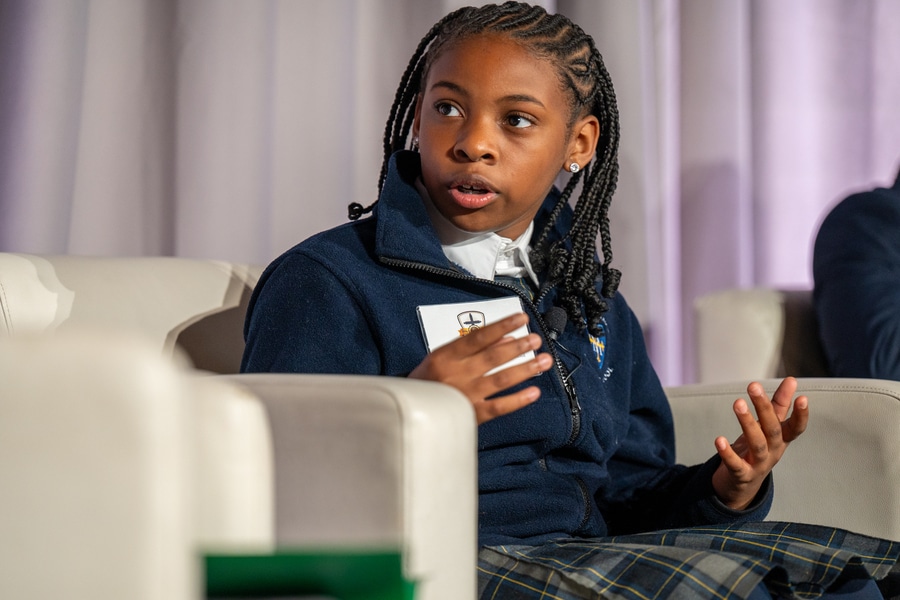
PIE students show impact of giving
The breakfast, sponsored annually by PIE to support Catholic students in the Archdiocese of Baltimore, invites local business leaders to network, hear about the impact on students and schools, and – the organizers hope – contribute to the cause.
USCCB files brief in support of Catholic preschools in clash with Colorado over ‘universal’ program
The U.S. Conference of Catholic Bishops has filed an amicus brief with the U.S. Supreme Court in support of a challenge from Catholic preschools regarding their ability to participate in Colorado’s universal preschool program.

Culture of Life Studies Program’s 2026 pro-life essay contest now open through Nov. 7
The Culture of Life Studies Program is hosting its annual pro-life essay contest, open to students in grades 5-12, through Nov. 7.
Loyola University Maryland announces new and expanded financial aid initiatives for eligible students of fall 2027
Loyola University Maryland is expanding its financial aid offerings for incoming students, guaranteeing at least $40,000 annually for eligible Catholic high school graduates and full tuition coverage for qualifying Maryland students with significant financial need.
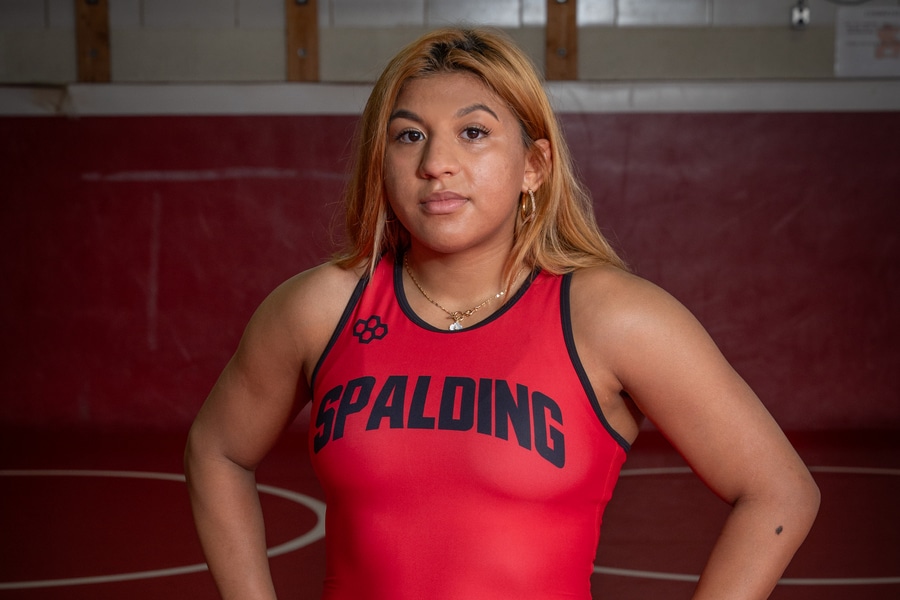
Archbishop Spalding wrestler breaks barriers as she eyes the Olympics
Although Taina Fernandez looks forward to her senior year at Archbishop Spalding High School in Severn, she also has major plans following graduation. An elite athlete and the first girl to claim a wrestling title against boys in the Maryland Interscholastic Athletic Association – arguably the most challenging prep league in the state – Fernandez has her sights set on a berth in the 2028 Los Angeles Summer Olympics.
Continue Reading Archbishop Spalding wrestler breaks barriers as she eyes the Olympics
Copyright © 2025 Catholic Review Media
