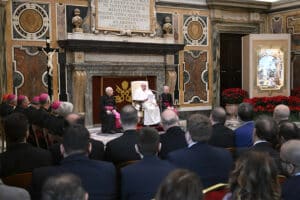
VATICAN CITY (CNS) — The study of theology must include reference to the context in which its students live and will minister, Pope Francis said, so in Sicily that means it must have something to say about the Mafia.
“The mission of a theological school cannot ignore the territory in which it is located,” the pope said Dec. 6 during a meeting with staff and students from St. Paul Theological School in Catania, an ancient port city on the Italian island of Sicily.
“Your land has wonderful natural and artistic beauty,” the pope told them, but it also is “unfortunately threatened by Mafia speculation and corruption, which hold back development and impoverish resources,” often leading young people to flee the island or to join criminal gangs.
“The Mafia always impoverishes, always,” he said.
“Sicily needs men and women who can look to the future with hope and train the new generations to be free and transparent in caring for the common good, to eradicate old and new poverty,” the pope said, urging the students to work to build “in this world the kingdom of love and justice” promised by Christ.
The theological school, the pope said, must be a place that trains academics and pastoral workers to serve the people of Sicily, especially the poor and the many migrants who land on the island from North Africa.
Sicily “has always been a crossroads of peoples,” he said. “I urge you to be welcoming, to be creative in fraternity.”
“Please,” the pope told them, “let us not extinguish the hope of the poor, of those poor who are migrants.”
Pope Francis also urged the students and staff to value the diversity found at the theology school, recognizing the gifts that each person brings to the school community and to the local church.
“Over the years, there has been an increasing number of female students, who now have tasks of pastoral responsibility or religious or academic teaching in your ecclesial communities,” the pope noted. “This, too, is a sign of the times in an area where women have often been devalued in their social role. But let us not forget that Sicily is the homeland of the martyr saints Agatha and Lucia, who were ‘seeds’ of robust faith, capable of renewal and of generating ever new witnesses” for Christ.
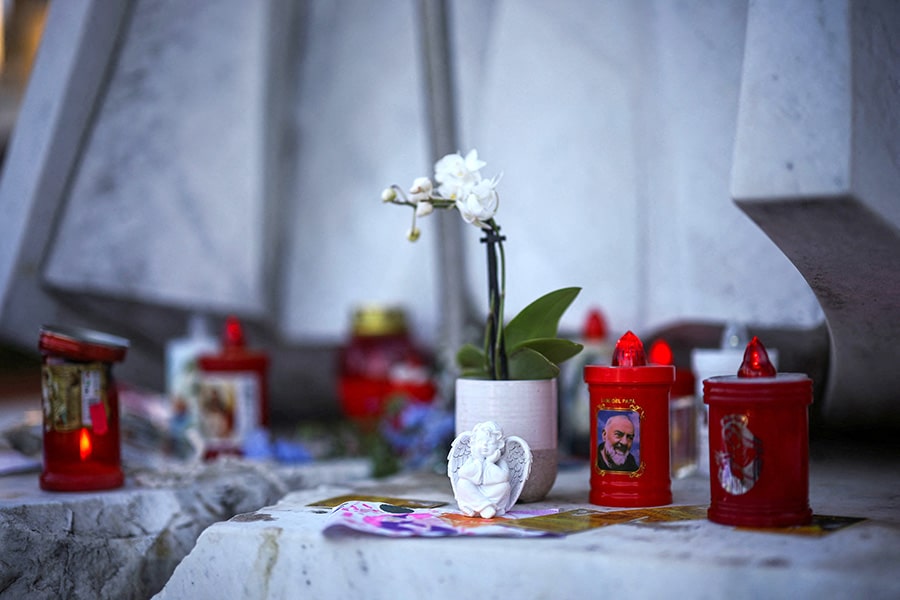
In hospital, Pope Leo’s tests show ‘good recovery of the operated lung,’ doctors say
Doctors treating Pope Leo XIV said Oct. 15 that tests show “good recovery of the operated lung” two days after his cancer surgery.
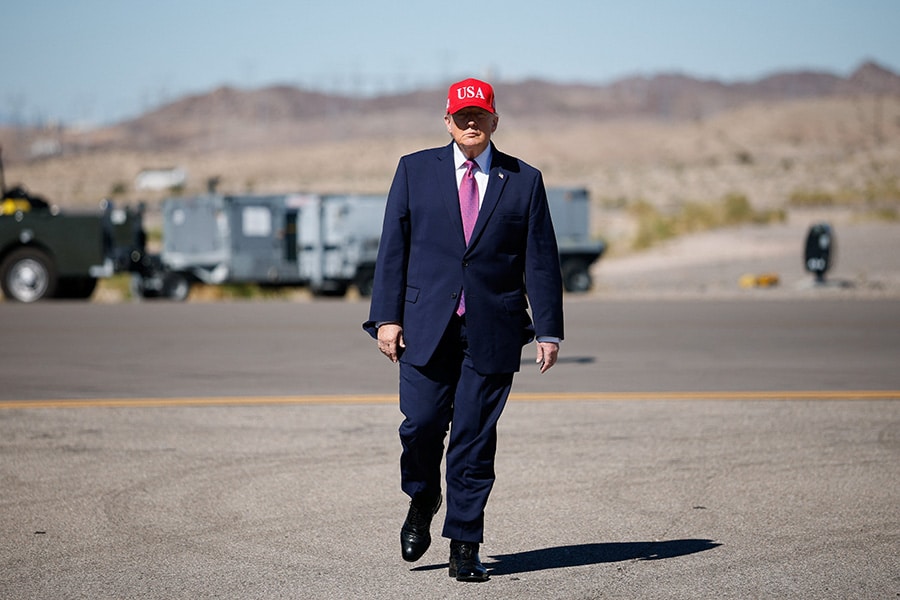
Trump sends Pope Leo ‘get well’ wishes following cancer diagnosis
President Donald Trump offered Pope Leo XIV his “best wishes” and “love” in a short interview with reporters Oct. 14, the day after the pope’s doctors announced that the pope had been diagnosed with lung cancer.
Continue Reading Trump sends Pope Leo ‘get well’ wishes following cancer diagnosis
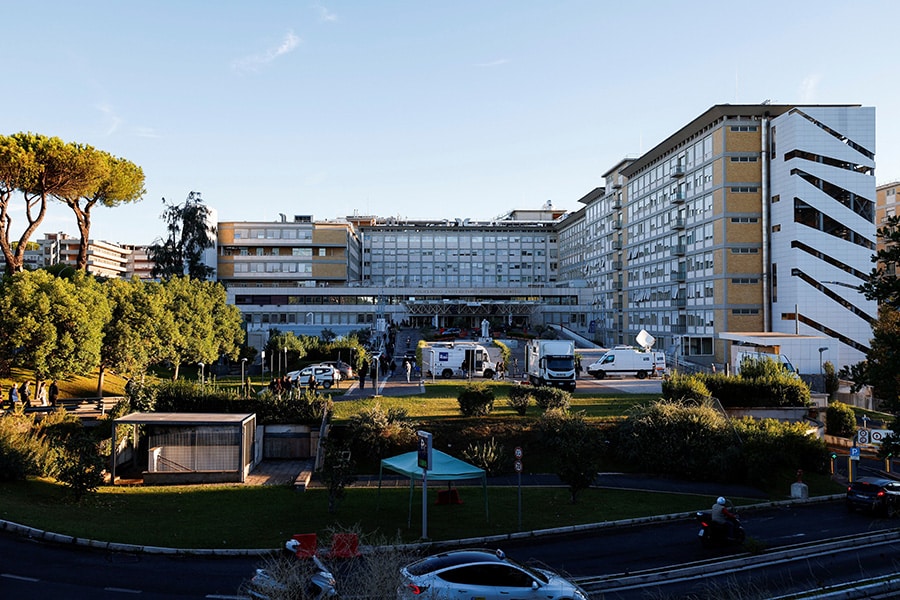
Pope Leo XIV starts respiratory physical therapy a day after lung cancer surgery
Pope Leo XIV underwent more medical exams and started respiratory physical therapy on Oct. 14, the day after the lung cancer surgery that removed the lower lobe of the pope’s right lung.
Continue Reading Pope Leo XIV starts respiratory physical therapy a day after lung cancer surgery
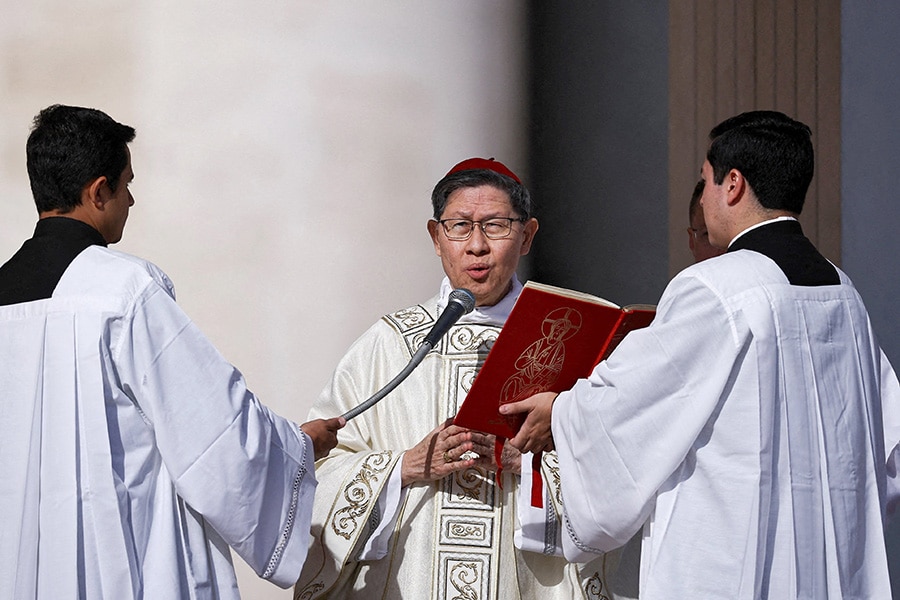
Cardinal Tagle reads Pope Leo’s homily to bishops: ‘The world has no future without strong families’
Cardinal Luis Antonio Tagle, the newly elected dean of the College of Cardinals, presided over the closing Mass for the Vatican meeting of bishops on marriage and family on Oct. 14, reading aloud a homily that had been prepared by Pope Leo XIV prior to his lung cancer surgery, saying, “The world has no future without strong families.”
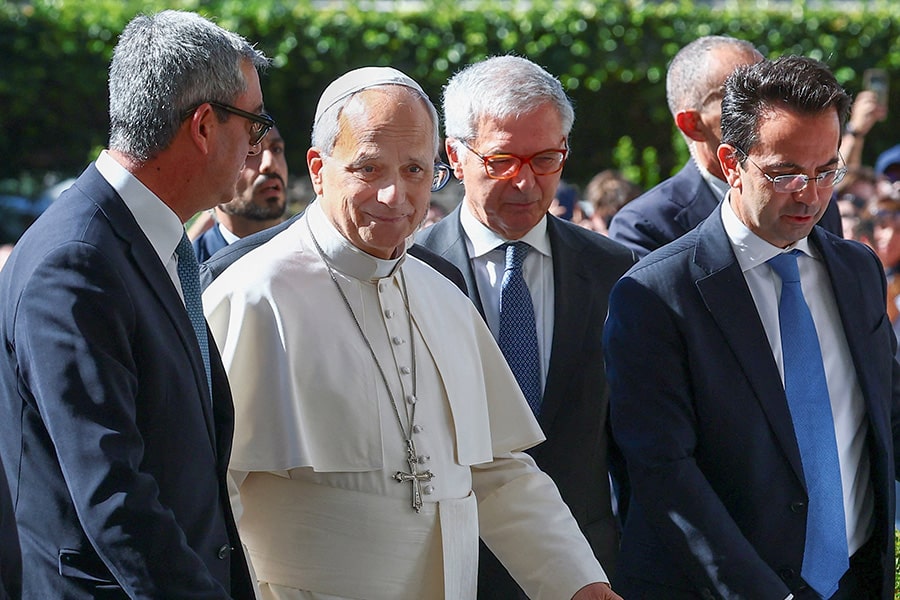
US bishops, lawmakers offer prayers for Pope Leo after cancer diagnosis
Following the Holy See’s Oct. 13 announcement that Pope Leo XIV was diagnosed with lung cancer and had the lower lobe of his right lung removed, Church and civic leaders expressed their hope and prayers for his full recovery.
Continue Reading US bishops, lawmakers offer prayers for Pope Leo after cancer diagnosis
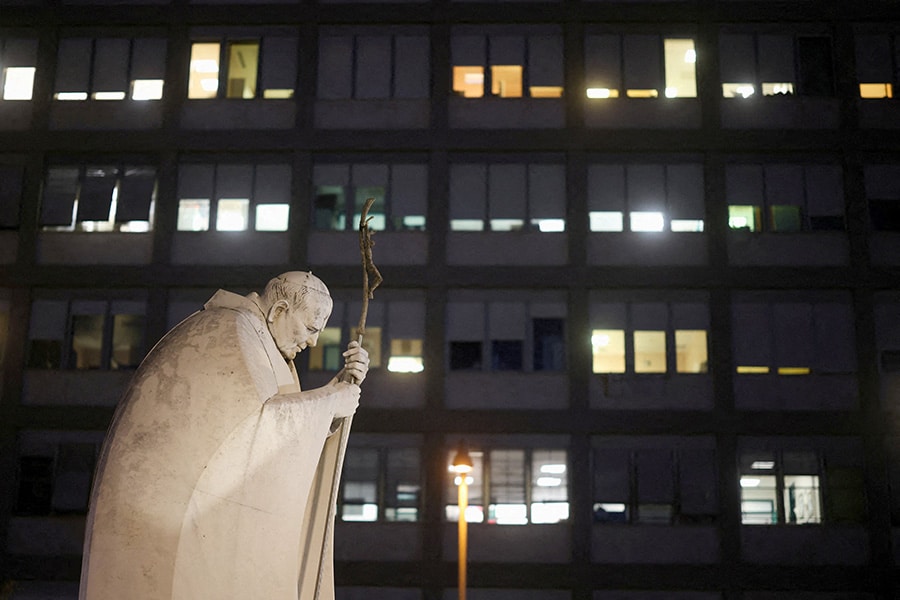
Pope Leo XIV’s surgery reveals lung cancer
Pope Leo XIV has been diagnosed with lung cancer following a 90-minute surgery on Oct. 13 during which surgeons removed the lower lobe of the pope’s right lung.
Copyright © 2024 Catholic News Service/U.S. Conference of Catholic Bishops
