When Americans reflect on the nation’s 250-year history, the spotlight often falls on presidents, generals and statesmen. Yet the story of the United States was also shaped by educators, caregivers and religious leaders whose work strengthened communities and expanded opportunities for generations.
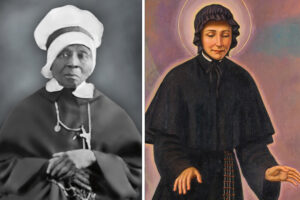
Among those influential figures were St. Elizabeth Ann Seton and Venerable Mother Mary Lange, towering figures in the history of the Archdiocese of Baltimore. Working in the early decades of the republic, both women recognized unmet needs in American society and responded by creating institutions that would endure long after their lifetimes.
Venerable Mother Mary Lange
While St. Elizabeth Ann Seton was helping establish Catholic education for a growing nation, Mother Mary Lange was confronting another challenge: the lack of educational opportunities for Black children.
Born around 1794, likely in Cuba, Lange immigrated to the United States and eventually settled in Baltimore where she ministered to French-speaking Black Catholics who had fled Haiti during its revolution. In 1828, she founded what today is known as St. Frances Academy in East Baltimore, the first Catholic school for Black children.
Her dedication attracted the support of Sulpician Father James Joubert, who encouraged her and several companions to devote their lives to God as religious women. In 1829, Mother Lange became the first superior of the Oblate Sisters of Providence in Baltimore, the first successful Catholic women’s congregation in the world established by women of African descent.
Under her leadership, the Oblate Sisters persevered through racial prejudice, financial struggles and social barriers. They educated children and cared for orphans, widows, the sick and those in spiritual need.
Mother Lange died Feb. 3, 1882. Her cause for canonization was formally opened in 1991 and in 2023 Pope Francis declared her venerable, advancing her another step on the path to sainthood.
St. Elizabeth Ann Seton
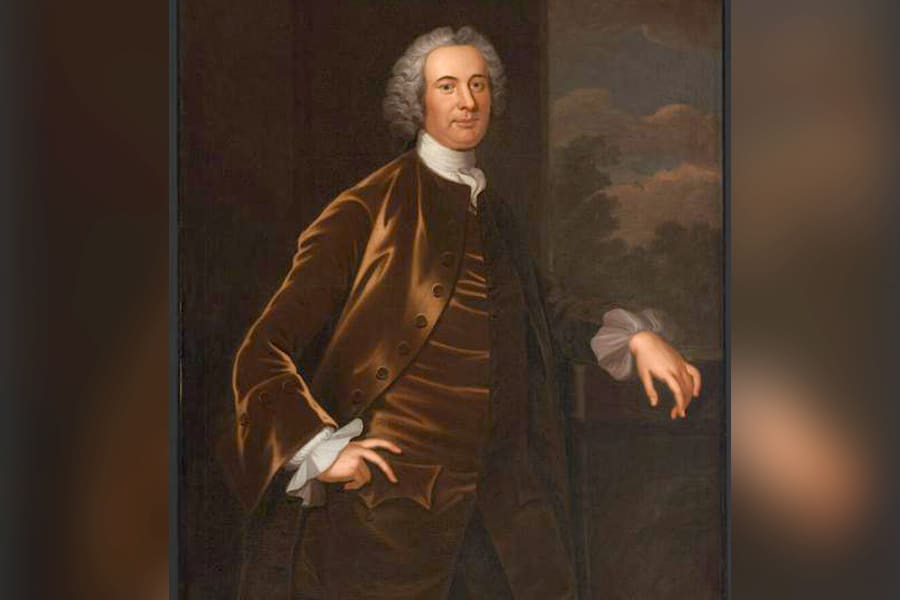
Born in New York in 1774, St. Elizabeth Ann Seton came from a prominent Anglican family. She married William Magee Seton at age 20 and had five children.
After her husband contracted tuberculosis, the family traveled to Italy seeking treatment. He died there in 1803, leaving Elizabeth widowed at age 29. During her time in Italy, she was deeply influenced by the Catholic faith. Upon returning to the United States, she became a Catholic in 1805.
Baltimore Archbishop John Carroll invited her to open a school for girls in Baltimore and St. Elizabeth Ann soon felt called to establish a religious community devoted to education and service.
In 1809, she made her first religious vows and later moved to Emmitsburg, where she founded the Sisters of Charity of St. Joseph. The following year, she established St. Joseph’s Academy and Free School, the first free Catholic school for girls staffed by sisters in the United States. Many historians regard it as the beginning of the modern Catholic school system in America.
The Sisters of Charity opened the nation’s first Catholic orphanage in Philadelphia and established schools, hospitals and charitable institutions throughout the United States. In 1850, the Emmitsburg community founded by St. Elizabeth Ann formally united with the international Daughters of Charity, the religious order that had inspired her work.
St. Elizabeth Ann died in 1821. In 1975, Pope Paul VI canonized her, making her the first American-born saint.
– CR Staff and OSV News
read more america 250

Copyright © 2026 Catholic Review Media
