
Lent gets its name from a word meaning “springtime,” the time of year when the hours of daylight are lengthening and the sun is bringing back its warmth and light.
The Lenten season, indeed all of springtime, is a time of hope: We deepen our relationship with Christ through our Lenten disciplines and look to his crucifixion, death and resurrection to overcome the darkness that can cause us to struggle and despair.
Some days we may not feel the love of God that is always present, but we can rely on hope to move us forward in faith, especially in the 2025 Jubilee Year, which Pope Francis gave the theme “Pilgrims of Hope.” Exercise hope this Lent and find renewal for the coming Easter season, where we celebrate Christ’s joyful resurrection.
Hope is a theological virtue, a gift from God that helps us act as his children. Received at baptism, hope gives us confidence and inspiration as we look forward to heaven and salvation. Hope allows us to move forward in faith even in the most doubtful or difficult times. Hope can help us feel secure even in the midst of our own failings or the injustices we see in the world around us.
St. Thomas Aquinas said, “Hope denotes a movement or a stretching forth of the appetite toward an arduous good.” In other words, we are reaching for the goodness of God when we exercise hope — even when it isn’t easy.
Hope is also a form of trust in, and surrendering to, our loving God. We have faith in his goodness, and we trust his guidance for our lives and future. And, while hope is a gift, it is also an active choice we make to stretch toward God’s goodness.
This stretching exercise can take many forms as we live the days of Lent through prayer, fasting and almsgiving.
— Pray with hope. The season of Lent calls us to deepen our prayer lives. St. Padre Pio’s famous phrase, “Pray, hope and don’t worry,” is a reminder that prayer can give us comfort when we place our hope in God. Prayer shows our reliance on God as well as our confidence in God. Along with praying traditional Catholic prayers, it is helpful to pray with God’s word. This Lent, renew your prayer life by reflecting on these hope-filled Scripture passages:
“We who have taken refuge might be strongly encouraged to hold fast to the hope that lies before us. This we have as an anchor of the soul, sure and firm” (Heb 6:18–19).
“Rejoice in hope, endure in affliction, persevere in prayer” (Rom 12:12).
“May the God of hope fill you with all joy and peace in believing, so that you may abound in hope by the power of the Holy Spirit” (Rom 15:13).
“Let us hold unwaveringly to our confession that gives us hope, for he who made the promise is trustworthy” (Heb 10:23).
Another way to deepen our faith this Lent is to learn and recite the Act of Hope. Consider God’s mercy as you reflect on Christ’s death and resurrection and find hope in the promise of salvation: “O my God, relying on your infinite mercy and promises, I hope to obtain pardon of my sins, the help of your grace, and life everlasting, through the merits of Jesus Christ, my Lord and Redeemer. Amen.”
— Fast with hope. During Lent, Catholics are called to days of fasting from food and abstinence from meat as we refocus our discipleship. The goal of fasting is to improve our relationship with Christ as we experience sacrifice in honor of his sacrifice for us. Fasting can help us feel connected with Christ and solidarity with the poor. Many Catholics also traditionally “give up” something for Lent. Here are some ideas to make your Lenten sacrifice a hope-building exercise.
Refrain from negative or hopeless comments; try saying things only in positive ways. Avoid watching television or movies with negative messages or dialogue. Give away items that are burdening you with clutter; find new homes for them with a charity donation. Trade the time you usually spend on screens or sports viewing to take walks with family or friends. Skip buying desserts or treats and use the money you save to purchase flowers for someone who needs a day-brightener.
As you fast, consider Pope Francis’ April 2017 TED Talk in which he addressed misconceptions around hope. “Feeling hopeful does not mean to be optimistically naive and ignore the tragedy humanity is facing,” he said. “Hope is the virtue of a heart that doesn’t lock itself into darkness, that doesn’t dwell on the past, (that) does not simply get by in the present, but is able to see a tomorrow. … And it can do so much, because a tiny flicker of light that feeds on hope is enough to shatter the shield of darkness.”
— Give alms with hope. “It is in giving that we receive,” according to the Prayer of St. Francis. Almsgiving can seem the easiest of Lenten disciplines. Most of our parishes have opportunities to donate funds to missions or the poor, and these are important works of charity.
Giving funds to help support others has been a part of Lent since the earliest days of Christianity and brings hope to others. However, as St. Teresa of Kolkata said, “It’s not how much we give but how much love we put into the giving” that’s important. Exercising hope means we are relying on God’s love for us, which calls us to truly love others. This might mean that we exercise our hope this Lent by giving our love in time as well as in treasure.
This Lent, consider volunteering time at your parish during one of their Lenten activities, or help clean or decorate the church in preparation for Holy Week. Write cards to family and friends expressing ways they help you feel more hopeful and thanking them for their support. At Mass, introduce yourself to one new person each week of Lent and show them God’s love by sitting with them during the liturgy. Actively watch for someone each day who needs an extra helping hand in your family, in your neighborhood, at work or at school.
You could also keep a Lenten hope List. Write down names of those you encounter who need an extra dose of love and support. Pray for them and check in with them during Lent to show your care.
St. Bonaventure stated, “Three things are necessary to everyone: truth that brings understanding, love of Christ which brings compassion, and endurance of hope which brings perseverance.” While Lent is traditionally the season to renew and refocus our discipleship through deeper experiences of prayer, fasting and almsgiving, it is important to remember that Christians are also called to live in hope.
This Lent, let us work to become more understanding, compassionate and faithful through developing a habit of hope.
The anchor, a symbol of hope
Did you know that the anchor represents hope? During the time of Roman persecution of Christians, it was adopted as a Christian symbol because it forms a cross. It was found in the catacombs and in homes, serving as an encouragement to Christians without drawing the attention of authorities. Since that time, the anchor cross is found in many churches and reminds us of hope and stability in Christ. As you meditate on the cross this Lent, consider the anchor cross and use it as an inspiration for hope in stormy times.
Read More Commentary
White Martyr Family
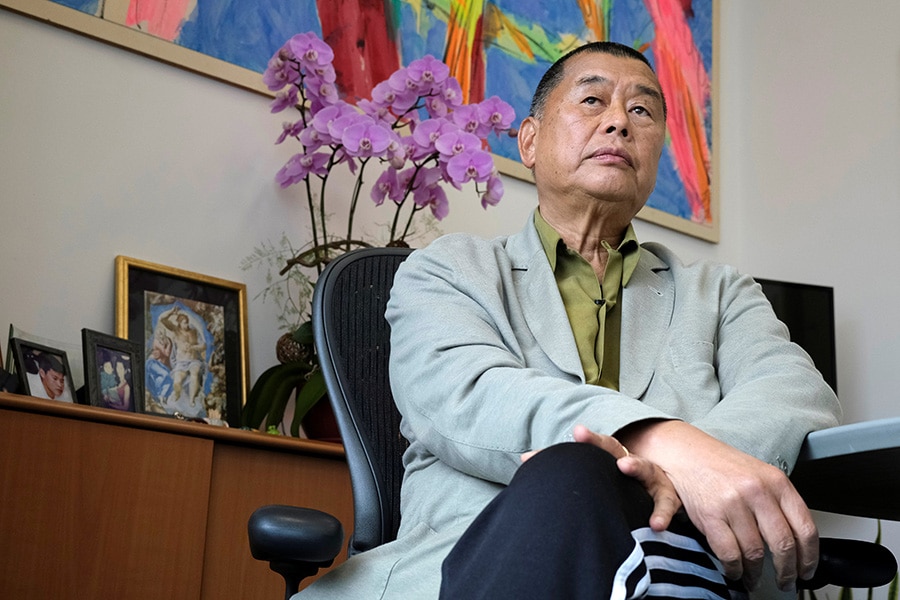
Imagine yourself seventy-eight, diabetic, falsely convicted in a sham trial of threatening national security, imprisoned for over 2,200 days in a maximum-security solitary confinement cell from which you’re only freed for 50 minutes of exercise per day. Could you find it within yourself to respond, when asked whether what you’re enduring is worth it, “Yes, for the glory of God….”?

Life is worth living
Most of us would readily agree with the proposition that life is worth living. Most of us would agree with the proposition that human life is endowed by God with dignity. Yet our adherence to that proposition is often tested by a culture which denies the dignity of the human person by laws and policies such as abortion-on-demand and proposals for physician-assisted suicide. Such laws and proposed laws proclaim loud and clear that some lives are not worth living.
The day I achieved my Mass attendance goal (and kept going)
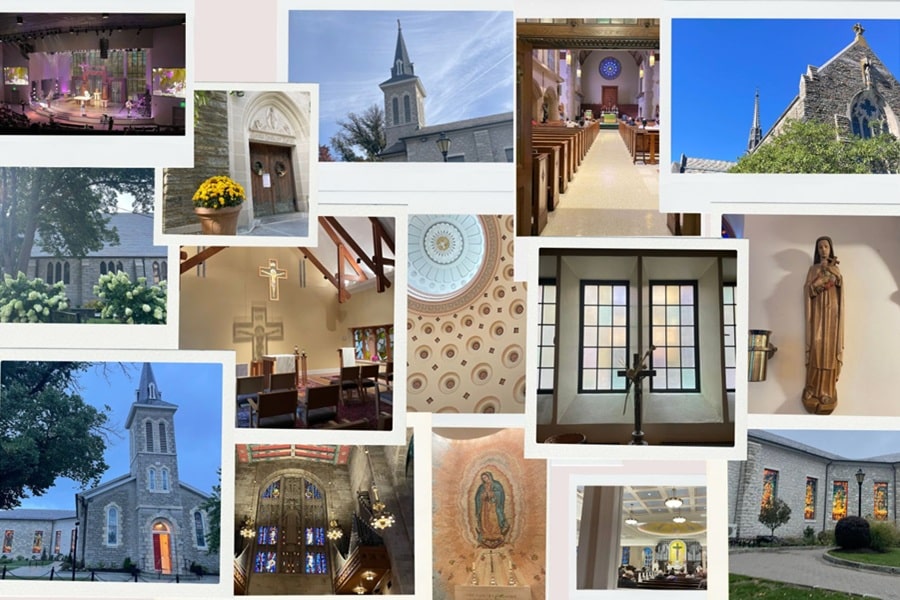
Truthfully, I wasn’t sure I could attend 226 Masses in 2026. But it’s amazing what you can do when you set a goal.
Continue Reading The day I achieved my Mass attendance goal (and kept going)
Traveler, there is no road
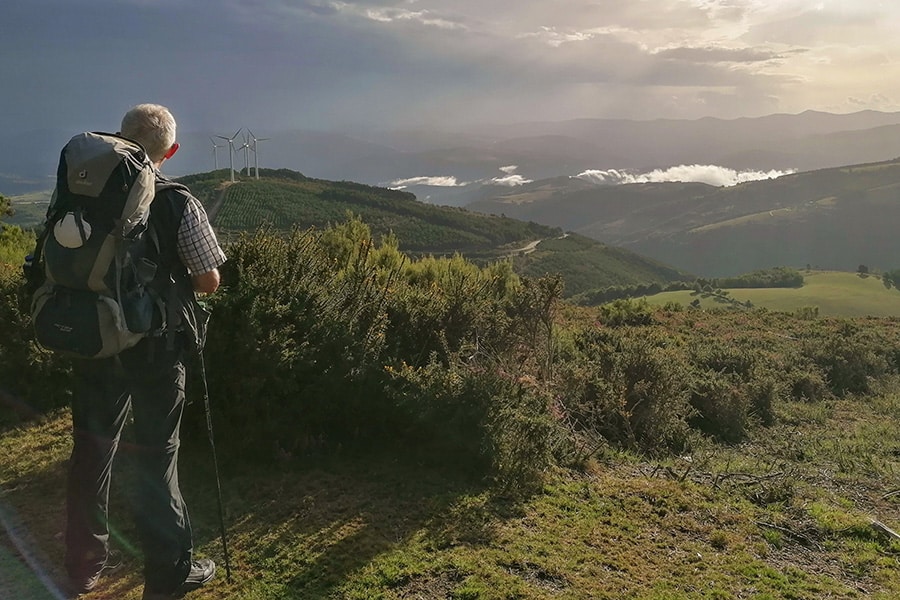
So, as I begin my walk, I ask Jesus to give me a listening heart. I begin with thankfulness, gratitude. Then I acknowledge to him my present worries. I try to be very honest with Jesus about my fears and my feelings. I avoid the insistent prayers of petition that I can sometimes invoke, instead just briefly lifting them to Jesus to hold. I ask for the grace of listening, noticing.

A magical morning commute
It was one of those crisp autumn mornings that felt brand-new. We decided to stay on the back roads.
Question Corner: Why do male religious get to final vows more quickly than female religious?
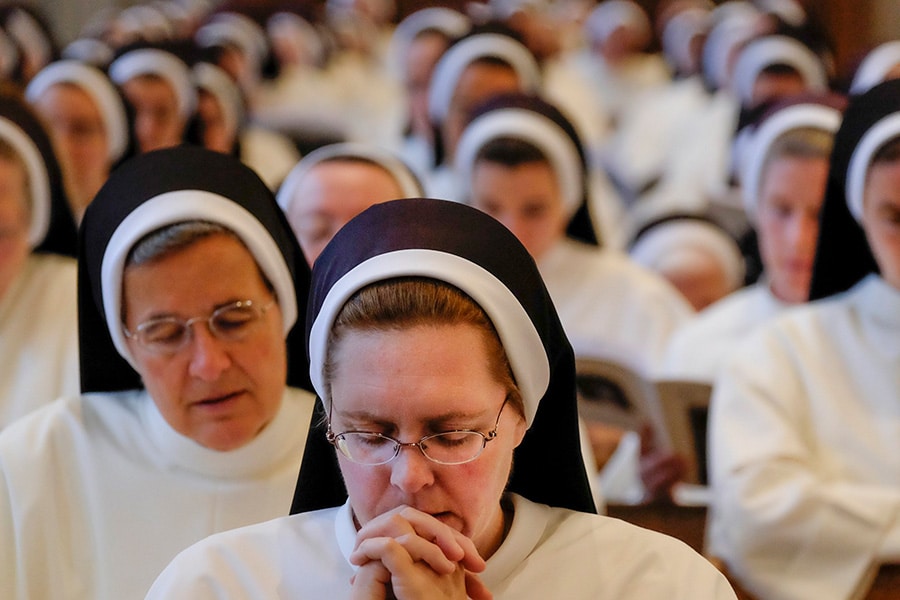
Q: Why do male religious get to final vows in about five years from date of entry while females take seven years or more before they may solemnly profess? (Flushing, NY)
Copyright © 2025 OSV News
