WASHINGTON (OSV News) — The Department of Homeland Security said Jan. 14 it issued an interim final rule reducing wait times for religious worker visas. Catholic advocates were among those who pushed the Trump administration to address the backlog in their visa category.
In its announcement, the department said its regulation change would reduce the wait time applicants are required to remain outside the U.S.
A spokesperson for DHS said in a statement the department “is committed to protecting and preserving freedom and expression of religion.”
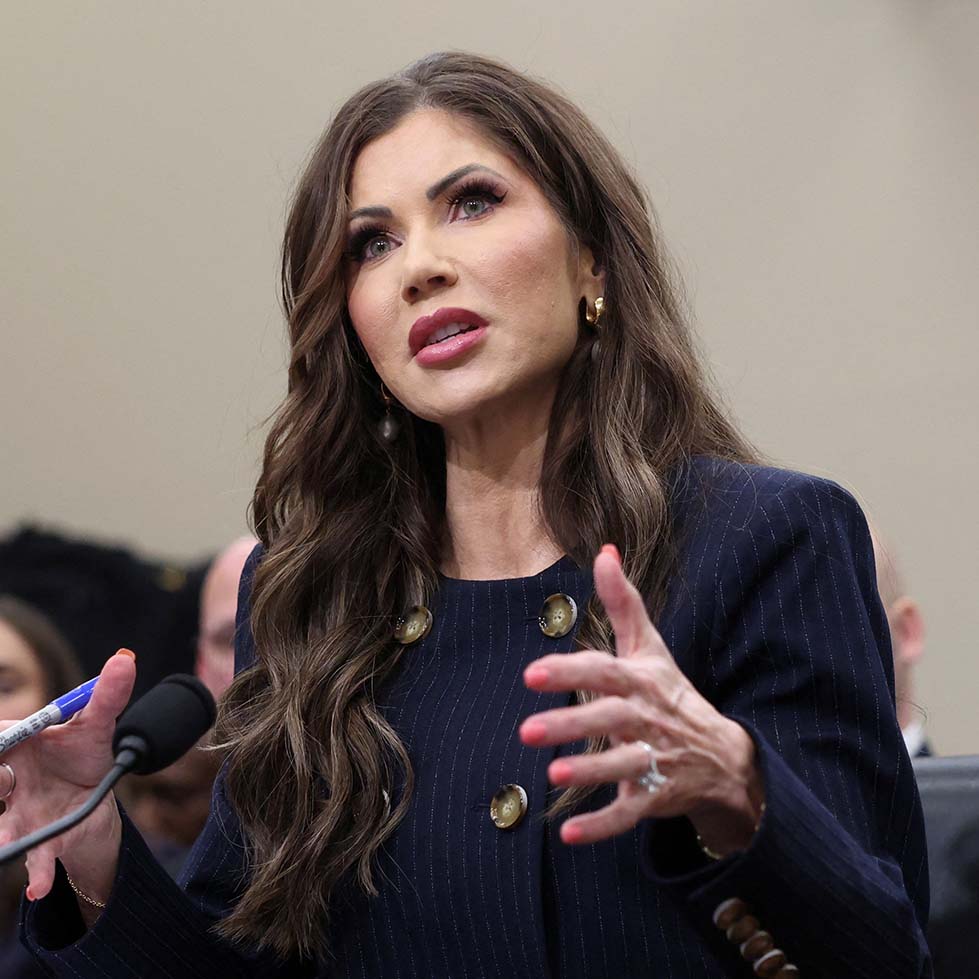
“We are taking the necessary steps to ensure religious organizations can continue delivering the services that Americans depend on,” the spokesperson said. “Pastors, priests, nuns, and rabbis are essential to the social and moral fabric of this country. We remain committed to finding ways to support and empower these organizations in their critical work.”
The new rule removes the requirement for R-1 religious workers to reside outside the U.S. for a year upon reaching the visa’s statutory five-year maximum period.
DHS said in its announcement that while R-1 religious workers will still have to leave the U.S., there is no longer a minimum time requirement for them to reside and be physically present outside the U.S. before reapplying for the R-1 visa.
Archbishop Paul S. Coakley of Oklahoma City, president of the U.S. Conference of Catholic Bishops, and Bishop Brendan J. Cahill of Victoria, Texas, chair of the USCCB’s Committee on Migration, said in a joint statement, “We are tremendously grateful for the Administration’s work to address certain challenges facing foreign-born religious workers, their employers, and the American communities they serve.”
The DHS announcement came shortly after Archbishop Coakley met with President Donald Trump at the White House, although the topics of their Jan. 12 meeting have not been made public.
The USCCB is among the organizations that have worked to address the religious worker visa backlog. Bishop Mark J. Seitz of El Paso, Texas, the migration committee’s previous chair, told the bishops’ fall plenary assembly in Baltimore in November that he was “very optimistic” there would be “see positive developments in the very near future” on the issue of religious worker visas.
R-1 non-immigrant religious worker visas allow some religious workers outside the U.S. — such as Catholic priests and nuns — to legally enter the U.S. to serve their faith communities. These are initially granted for a 30-month period, with one possible renewal allowing for a total of 5 years, so they can be in the U.S. to carry out ministry work.
While within that window, they can apply for employment-based EB-4 status so they can legally remain in the U.S. without interruption. However, there is a significant backlog for such visas, as there is greater demand than the number of visas issued. That backlog could have a grave impact on the church in the U.S., as the National Study of Catholic Priests — released in 2022 by The Catholic University of America’s Catholic Project — indicated 24 percent of priests serving in the U.S. are foreign-born, with many of them also subject to visa renewals.
The R-1 visa rule change, by eliminating the requirement to have residency outside the U.S. for one year before reapplying, is expected to help prevent these religious workers serving U.S. faith communities from having to be reassigned outside the U.S. reassigned to serve faith communities in other countries.
In their statement, Archbishop Coakley and Bishop Cahill added, “The value of the Religious Worker Visa Program and our appreciation for the efforts undertaken to support it cannot be overstated.”
“This targeted change is a truly significant step that will help facilitate essential religious services for Catholics and other people of faith throughout the United States by minimizing disruptions to cherished ministries,” they said. “In order to provide the full extent of the relief needed and truly promote the free exercise of religion in our country, we continue to urge Congress to enact the bipartisan Religious Workforce Protection Act.”
That legislation, if enacted, would permit religious workers already in the U.S. on temporary R-1 status with pending EB-4 applications to stay in the U.S. while waiting for permanent residency. The bipartisan legislation was introduced in the Senate by Sens. Tim Kaine, D-Va., Susan Collins, R-Maine, and Jim Risch, R-Idaho, and in the House by Reps. Mike Carey, R-Ohio, and Richard Neal, D-Mass. In statements at the time, Kaine and Collins both cited priest shortages in their states. All five lawmakers behind the legislation are Catholic.
Read More Religious Freedom
Copyright © 2026 OSV News
